Bat Conservation Trust

Founded: 1991

Organisation Type: Bat Conservation Charity

Location: UK

Mission Statement:

We work collaboratively to help boost the resilience of bat populations and improve their habitats in an ever-changing world.

Visit
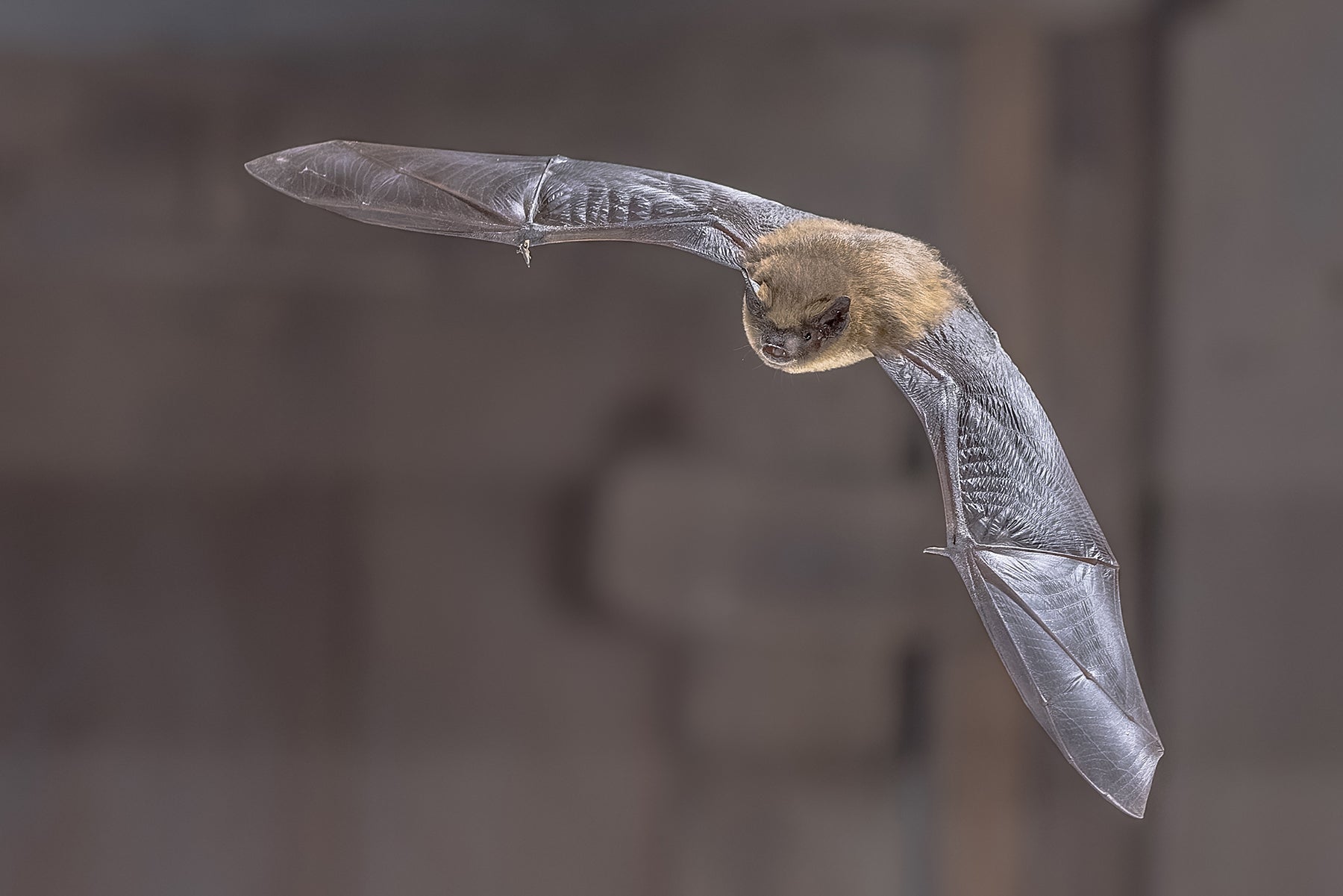
The common pipistrelle is Britain’s most widespread bat species. © Rudmer Zwerver

Bat Conservation Trust

The Bat Conservation Trust works collaboratively with a range of people to help boost the resilience of bat populations and improve their habitats in an ever-changing world.

They seek and commission leading science and build the best possible evidence to focus their work and shape their advice. They seek out the best partners and opportunities to deliver the best outcomes for bats, welcoming a wide range of people to bring new ideas to benefit both people and bats.

Bat Conservation Trust: Current programmes and initiatives

The Grey Long-eared Bat Project: As one of the UK’s rarest mammals, the grey long-eared bat is the focus of an intensive conservation programme aimed at reversing its decline. By using radio-tracking and DNA analysis to identify foraging grounds and roost sites, BCT works directly with landowners to restore the species-rich grasslands and meadows these bats depend on. This project is a masterclass in rewilding-led conservation, ensuring that habitat restoration is targeted where these "underdogs" of the night need it most.

NightWatch & The Nocturnal Garden: In 2026, BCT is bringing bat conservation to the mainstream with their first-ever RHS Chelsea Flower Show garden, demonstrating how "wilding" our own back gardens can create vital corridors for nocturnal wildlife. Alongside this, their NightWatch initiative uses high-tech ultrasonic recorders to empower urban communities in cities like London and Manchester. By "eavesdropping" on the night, volunteers help map urban biodiversity, ensuring that even our busiest cities are designed with nature’s recovery in mind.

Donate
The grey long-eared bat’s ears are almost as long as its body. © Rudmer Zwerver

What are some Bat Conservation Trust Statistics and Achievements?

The Bat Conservation Trust has spent over 30 years at the forefront of bat conservation, ensuring these essential mammals remain a vibrant part of our ecosystem. Through their world-leading National Bat Monitoring Programme (NBMP), they coordinate over 3,000 dedicated volunteers who monitor bat populations at more than 5,000 sites across the UK.

Their efforts have been instrumental in the slow but steady recovery of several species; notably, populations of the Greater Horseshoe bat have increased by over 200% since 1999 thanks to focused conservation and habitat management. BCT also operates the National Bat Helpline, which provides vital advice for thousands of people and businesses every year, helping to protect roosts and rescue injured bats. By influencing national policy and providing expert training to professionals, BCT ensures that bats are considered in every aspect of land management and urban development.

Pipistrelles live a long time for their size - usually 4 to 5 years, though some have been known to reach over 15! © Rudmer Zwerver

Who Founded Bat Conservation Trust?

The Bat Conservation Trust (BCT) was established in 1991 by a collective of dedicated bat experts, ecologists, and enthusiasts who recognised that the UK’s bats were facing unprecedented threats from habitat loss and human activity. Before BCT, bat conservation was largely the work of fragmented local groups; the founders saw a desperate need for a national voice to coordinate research, influence government policy, and champion these misunderstood mammals on a larger scale.

Since its inception, BCT has grown from a small group of specialists into the UK’s leading bat charity. Today, it is supported by high-profile advocates like President Chris Packham and Patron David Gower OBE, alongside a professional team of scientists and conservationists. Their vision remains the same as it was in 1991: to create a world where bats and people thrive together, ensuring these essential indicators of a healthy, rewilded landscape are protected for generations to come.

Barbastelle bats prefer to roost in old trees and woodland. © Zolran, Shutterstock